Featured
Table of Contents
Browsing Credit Discrepancies in 2026
The financial environment in 2026 has ended up being progressively complicated as automated reporting systems and AI-driven data collection dominate the credit industry. While these technologies objective for speed, they frequently lead to clerical errors, identity mix-ups, or out-of-date details appearing on customer files. For residents in the local community, comprehending how to challenge these errors is no longer just an idea-- it is a need for preserving monetary health. Modern customer laws have tightened up the requirements for credit bureaus, however the concern of initiating a conflict still rests firmly on the individual.
Accuracy in credit reporting affects everything from home loan rates to insurance premiums and even employment chances. Keeping high requirements for Financial Education allows customers to capture errors before they affect loan approvals. When a mistake is identified, the action must be methodical. Under the existing 2026 legal standards, credit bureaus are needed to examine and deal with disputes within a particular 30-day window, supplied the customer sends adequate evidence to support their claim.
The Rights of Customers Under 2026 Regulations
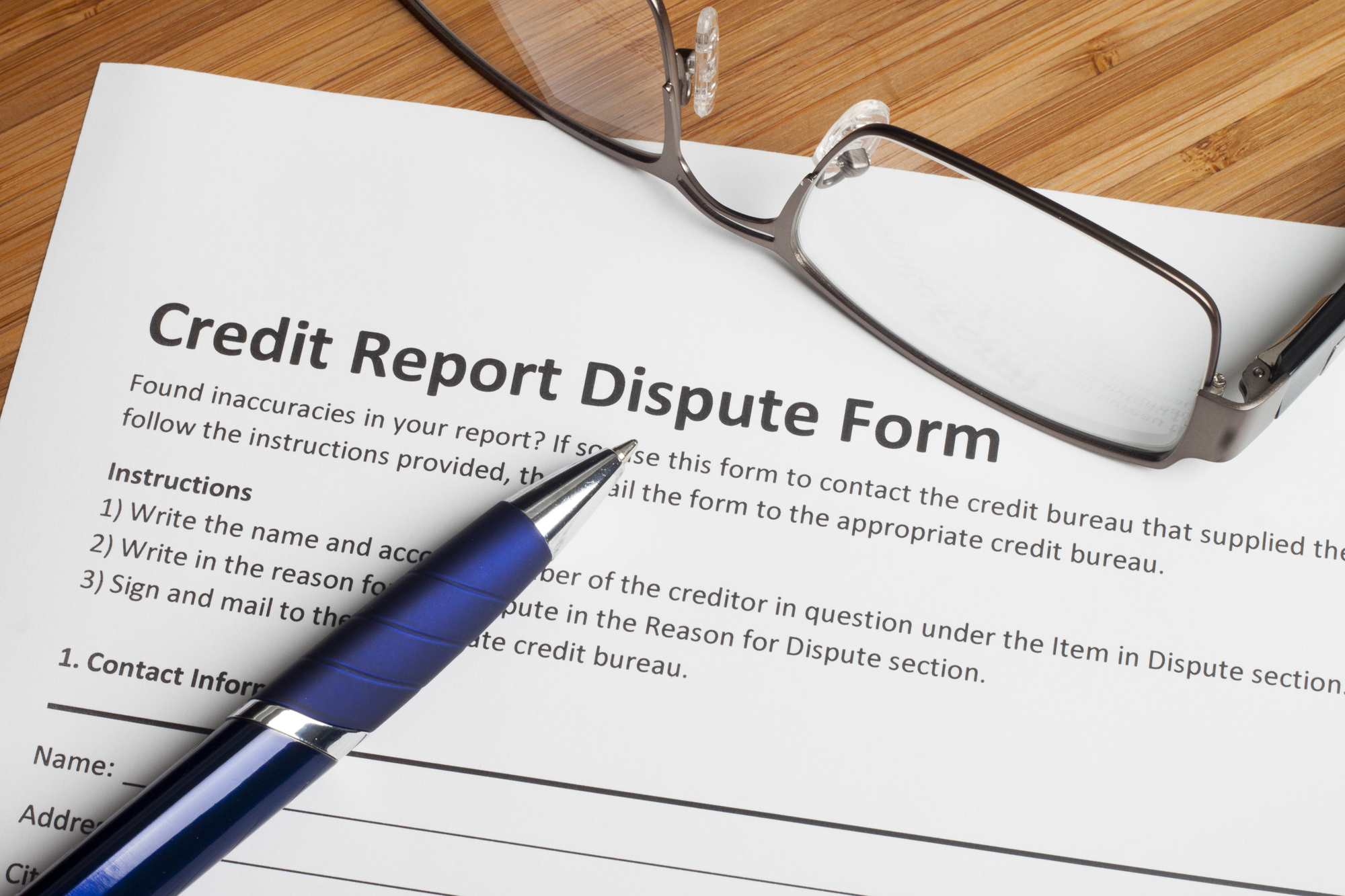
Federal regulations continue to protect individuals versus the reporting of unreasonable or incorrect data. Every person in the surrounding region deserves to access their credit report free of charge regularly to ensure that the data held by the significant bureaus is appropriate. These reports act as the foundation for a person's financial credibility. If a report contains a financial obligation that has actually already been paid, an account that does not come from the individual, or an inaccurate payment history, the law provides a clear course for removal.
Lots of individuals seek support from Department of Justice-approved 501(c)(3) not-for-profit credit therapy firms. These companies offer a buffer in between the consumer and the large banks. Professional Financial Literacy Resources acts as a key resource for those dealing with complex reporting mistakes. These nonprofits typically provide free credit counseling, assisting people comprehend which items on their report are in fact mistakes and which are legitimate financial obligations that need a different technique, such as a debt management program.
In 2026, the procedure of challenging an item includes more than simply sending out a letter. It requires a digital or physical proof. This consists of copies of bank declarations, canceled checks, or court records that show the information on the credit report is incorrect. When a disagreement is submitted, the bureau must get in touch with the original creditor to validate the information. If the creditor can not prove the debt is accurate within the legal timeframe, the bureau needs to get rid of the product from the customer's file instantly.
Techniques for Effective Credit Keeping An Eye On in the United States
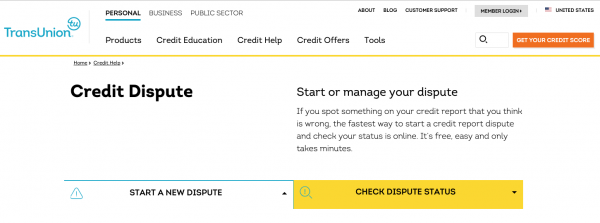
Consistent tracking is the most efficient method to prevent long-term damage from reporting mistakes. Waiting up until a loan application is rejected is the worst time to discover a mistake. Rather, consumers must use the numerous tools readily available in 2026 to track changes to their scores and report histories in genuine time. Discovering trusted information concerning Financial Education in Indiana assists people navigate the bureaucracy of nationwide credit bureaus.
A comprehensive review ought to try to find specific warnings:
- Accounts with similar names or addresses that do not belong to the user.
- Public records, such as tax liens or judgments, that have actually been settled however still show as active.
- Incorrect credit line that make a person appear more overextended than they really are.
- Duplicate accounts that artificially pump up the total debt load.
If these issues are found, the consumer ought to file conflicts with all 3 major bureaus at the same time, as details shown one bureau is not always immediately updated with the others. This guarantees consistency across the board and avoids a single incorrect report from dragging down an otherwise healthy rating.
Nonprofit Support and Financial Obligation Management Programs
For those in the domestic market who are dealing with genuine debt in addition to reporting errors, specialized programs use a way forward. Nationwide nonprofit companies offer debt management programs that combine multiple month-to-month payments into one lower, manageable payment. These firms negotiate straight with creditors to lower rates of interest, making it easier for the customer to pay off the principal balance. This process often helps enhance a credit history with time as the debt-to-income ratio enhances and a history of constant payments is established.
Beyond financial obligation management, these 501(c)(3) companies supply HUD-approved housing therapy. This is especially beneficial for locals in the local area who are wanting to purchase a home but find their credit report stands in the method. Counselors deal with individuals to produce a plan that resolves both credit mistakes and real financial obstacles, ensuring they are ready for the home loan application process. These services are typically offered at no cost or for an extremely low cost, showing the mission of these firms to support neighborhood monetary literacy.
Legal Defenses and Insolvency Education
In more serious cases, consumers may need to check out pre-bankruptcy therapy or pre-discharge debtor education. These are obligatory steps in the legal process, and they need to be completed through a DOJ-approved service provider. These academic courses are developed to offer individuals the tools they need to prevent future monetary distress and to handle their credit more effectively after a legal discharge of debt.
Whether handling a basic reporting error or a complex financial crisis, the rules of 2026 emphasize openness. Lenders and bureaus are held to high requirements of data stability. When those requirements are not fulfilled, the customer has the power to require a correction. Working with a network of independent affiliates and community groups guarantees that even those in underserved locations have access to the very same level of financial defense and education as those in significant financial centers.
The secret to success in any dispute is persistence. It is common for bureaus to at first reject a disagreement, claiming the info was verified. In such cases, the customer should ask for a description of the confirmation procedure or provide extra, more specific evidence. Keeping an in-depth log of all interactions with credit bureaus and lenders is a necessary part of this effort. With the right documents and a clear understanding of 2026 customer rights, correcting the record is a manageable job that pays dividends in future monetary stability.

Latest Posts
Why Your Town Borrowers Should Monitor AI Data
Evaluating Credit Counseling Programs in Free Credit Counseling Session
Browsing 2026 Filing Charges in Bloomington Minnesota